
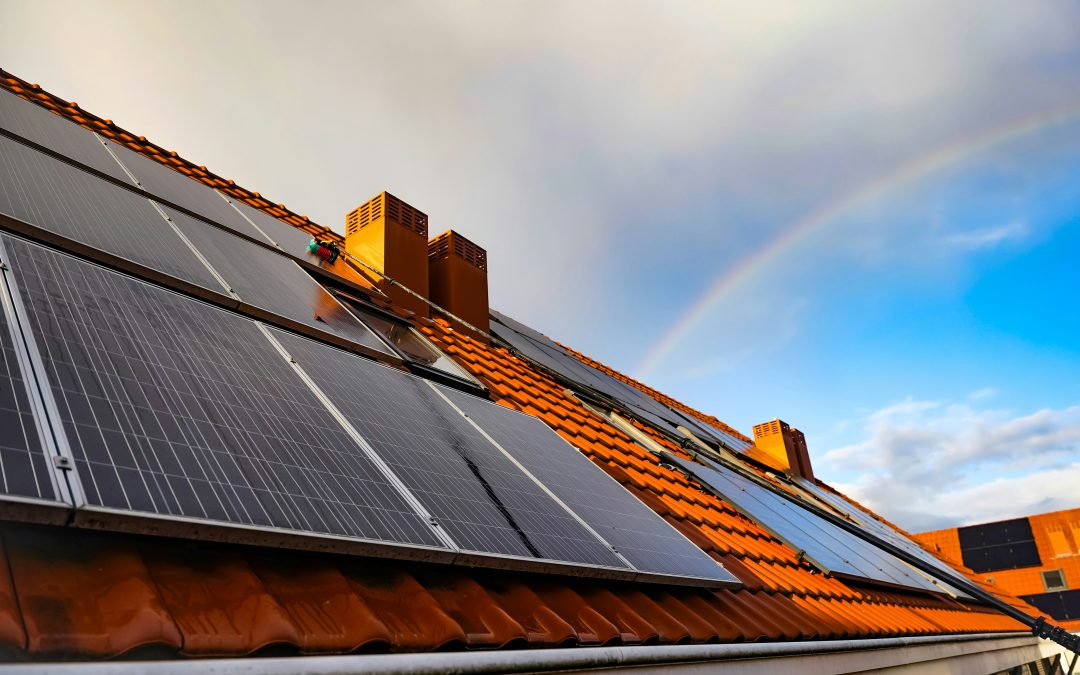
Switching to solar energy is one of the smartest ways to reduce your electricity bills and your carbon footprint. But before you start installing panels, one crucial question needs to be answered: which roof is best for solar panels? Your roof’s type, material, angle, and orientation all affect how efficiently your solar system performs. Choosing the right roof—or knowing how to optimize the one you already have—can make a huge difference in long-term energy production and savings.
Why Roof Type Matters for Solar
Solar panels need steady sunlight exposure and secure installation to work effectively. The roof provides the foundation for both. Some roofing materials are more compatible with solar mounting systems than others, and certain roof shapes or slopes capture sunlight better. Understanding these factors helps homeowners get the most out of their solar investment.
Let’s break down which roofs work best for solar panel installation—and what to consider if yours isn’t ideal yet.
1. Asphalt Shingle Roofs – The Most Common and Solar-Friendly
If your home has an asphalt shingle roof, you’re in luck. This is the most common roofing material in the U.S. and one of the easiest for solar panel installation.
Why it’s great for solar:
-
The shingles are durable and flexible, making it easy to attach solar mounting brackets without damaging the roof.
-
Installation costs are relatively low because the process is straightforward.
-
Asphalt shingles provide a solid base and good weather resistance.
Best angle/orientation: A south-facing roof with a pitch of 30 to 45 degrees typically offers the best sunlight exposure.
If your asphalt shingles are over 15 years old, consider replacing the roof before adding panels—this ensures you won’t need to remove them for roof work later.
2. Metal Roofs – Durable and Highly Efficient
Metal roofs are another excellent choice for solar systems, especially standing seam metal roofs.
Advantages:
-
The raised seams provide a perfect anchor for panel clamps—no drilling or holes required, which minimizes roof penetration and potential leaks.
-
Metal roofs are long-lasting (up to 50 years or more), matching the lifespan of most solar panels.
-
Their reflective surface keeps roofs cooler, improving energy efficiency overall.
Ideal setup: A standing seam metal roof with a south or southwest exposure is nearly perfect for solar installation. Corrugated metal can also work but may require specialized mounting brackets.
3. Tile Roofs – Stylish but Tricky
Clay, concrete, or slate tile roofs can support solar panels, but installation is more complicated. Tiles are fragile, so installers must handle them carefully to avoid breakage.
Pros:
-
Aesthetic appeal—common in Mediterranean or Spanish-style homes.
-
Long lifespan and good heat resistance.
Challenges:
-
Higher labor costs due to delicate installation.
-
Requires specialized mounting equipment or replacing some tiles with composite shingles under the panels.
If you have a tile roof, it’s best to hire an installer experienced in working with fragile materials. Once properly installed, tile roofs perform well with solar systems.
4. Flat Roofs – Great for Commercial Buildings and Modern Homes
A flat roof offers surprising flexibility for solar setups, especially on commercial properties or modern-style homes. Panels can be mounted on adjustable racks to optimize tilt and orientation.
Advantages:
-
Easy access for maintenance and cleaning.
-
Allows precise control over panel angle for maximum sun exposure.
-
Plenty of space for larger systems.
Things to consider:
-
Ensure proper drainage—standing water can affect mounts and panel wiring.
-
Use ballast mounts (weighed racks) instead of drilling to avoid roof damage.
Flat roofs can actually outperform angled roofs in some regions when optimized correctly.
5. Wood and Slate Roofs – Not Recommended
While beautiful, wood shake and natural slate roofs are the least ideal for solar installations.
Why they’re problematic:
-
Fragile and prone to cracking during installation.
-
Wood shakes present a fire hazard when paired with electrical equipment.
-
Slate requires complex drilling and sealing to prevent leaks.
If you have one of these materials, it’s best to consider roof replacement before going solar. Replacing with composite shingles or metal panels will make installation safer and more cost-effective.
Roof Orientation and Sun Exposure
Regardless of roof type, direction and angle play a critical role in energy efficiency.
-
South-facing roofs in the Northern Hemisphere receive the most consistent sunlight throughout the day.
-
East- or west-facing roofs can still work but may produce 10–20% less energy.
-
North-facing roofs generally aren’t ideal unless you use adjustable mounting racks.
Optimal tilt angles depend on your location’s latitude—typically between 25° and 40° for most U.S. homes.
Roof Condition and Load Capacity
Before installing solar panels, assess your roof’s condition. A weak or damaged roof can’t support the weight of panels (around 2–4 pounds per square foot). Have a professional roofer inspect for:
-
Leaks or cracks
-
Structural wear or rot
-
Adequate support beams
If your roof is nearing the end of its life, replacing it before installing solar panels can save time and money later.
Material Lifespan vs. Solar Lifespan
Solar panels typically last 25–30 years, so it’s smart to match your roof’s lifespan to that timeline.
| Roof Type | Average Lifespan | Solar Compatibility |
|---|---|---|
| Asphalt Shingles | 20–25 years | Excellent |
| Metal | 40–70 years | Excellent |
| Tile (Clay/Concrete) | 50+ years | Good (with care) |
| Flat Roof | 20–30 years | Good |
| Wood/Slate | 30–50 years | Poor |
Choosing a long-lasting roof reduces future costs and ensures your panels remain secure and effective.
Bonus: Cool Roofs and Solar Synergy
Some homeowners are upgrading to cool roofs—reflective surfaces that reduce heat absorption. When paired with solar panels, these roofs can lower attic temperatures and improve overall efficiency. White or light-colored roofing materials reflect sunlight, reducing the home’s cooling load while helping panels operate more effectively.
Final Thoughts
So, which roof is best for solar panels? The answer depends on your home’s structure, material, and sunlight exposure.
-
Best overall: Asphalt shingles or standing seam metal roofs—they’re affordable, easy to work with, and durable.
-
Good options: Tile or flat roofs—with the right installer and mounting systems.
-
Avoid: Wood shake or slate roofs due to fragility and installation risks.
Before making any decisions, consult both a licensed roofer and a certified solar installer. They can assess your roof’s condition, orientation, and load capacity to design the most efficient system for your home.
Investing in the right roof before going solar ensures you’ll enjoy decades of clean, renewable energy—and lower energy bills—for years to come.