
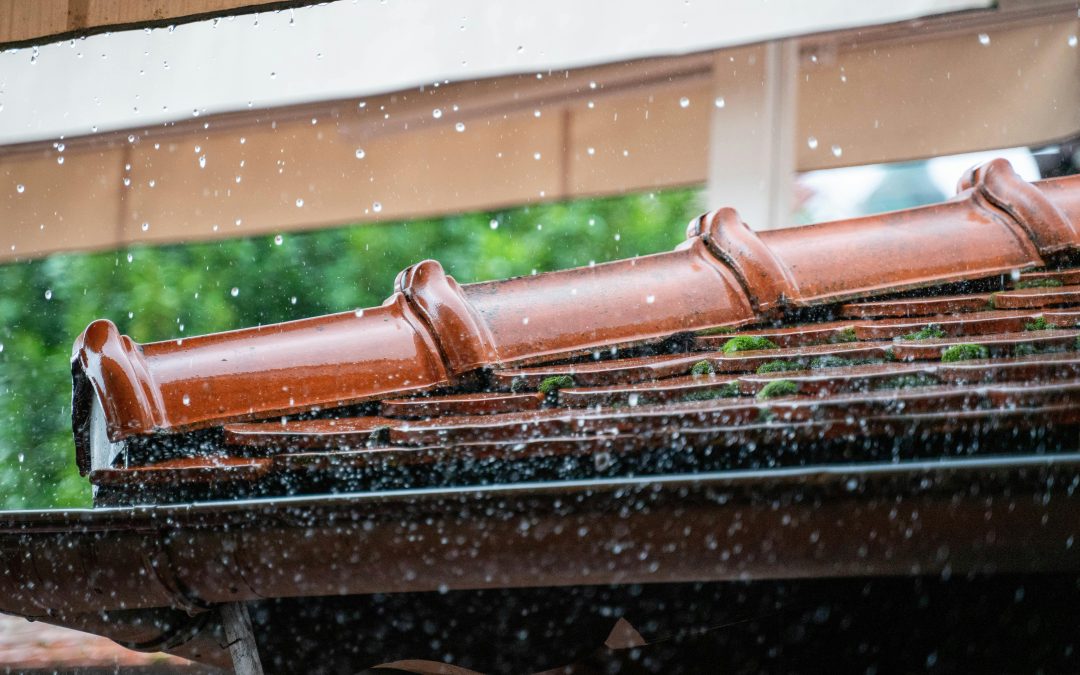
When a major storm passes through your area, the first thing most homeowners do is check for visible damage like fallen branches or broken windows. But one of the most important parts of your home often gets overlooked: the roof.
Your roof takes the full force of wind, rain, hail, and debris. Even if it looks fine from the ground, hidden damage can lead to costly repairs later. That is why having a quality roofing inspection checklist every homeowner should review after a major storm is so important.
According to the Insurance Information Institute, wind and hail damage account for nearly 40 percent of all homeowners insurance claims in the United States, which shows just how vulnerable roofs are during severe weather events.
Let’s walk through a practical checklist that helps you spot issues early and protect your home from long-term damage.
Why Post-Storm Roof Inspections Matter
After a storm, damage is not always obvious. Some issues take weeks or even months to show up.
Hidden roof problems can include:
- Small leaks that worsen over time
- Lifted or missing shingles
- Damaged flashing around vents and chimneys
- Moisture trapped under roofing layers
If left unchecked, these problems can lead to mold, structural damage, and expensive repairs.
That is why following a quality roofing inspection checklist every homeowner should review after a major storm is essential for early detection.
Start With a Safe Ground-Level Inspection
You do not need to climb on your roof to begin your inspection.
Start by walking around your home and looking for:
- Missing or curled shingles
- Debris like branches or leaves on the roof
- Visible sagging areas
- Damaged gutters or downspouts
- Shingle granules collecting near drains
Even from the ground, these signs can indicate potential roof damage.
If anything looks unusual, it is best to document it with photos.
Check for Missing or Damaged Shingles
Shingles are your roof’s first line of defense.
Storms can cause:
- Shingles to lift or detach
- Cracks or splits in materials
- Curling edges from wind exposure
- Granule loss that weakens protection
A few missing shingles might not seem serious, but even small gaps can allow water to enter the structure.
This is one of the most important steps in any quality roofing inspection checklist every homeowner should review after a major storm.
Inspect Flashing Around Roof Penetrations
Flashing is the metal material that seals areas where the roof meets other structures.
Check around:
- Chimneys
- Skylights
- Roof vents
- Wall intersections
Storm damage can loosen flashing or break seals, allowing water to seep underneath roofing materials.
Even minor flashing damage can lead to hidden leaks inside your home.
Look for Signs of Water Leaks Inside the Home
Roof damage often shows up inside before it becomes visible outside.
Check your attic and ceilings for:
- Water stains or discoloration
- Damp insulation
- Musty odors
- Dripping or moisture spots
According to FEMA, even small roof leaks can quickly escalate into widespread water damage if not addressed early.
If you notice any of these signs, it may indicate that storm damage has already penetrated the roof system.
Inspect Gutters and Drainage Systems
Your gutters play a major role in protecting your roof and foundation.
After a storm, check for:
- Clogged gutters filled with debris
- Detached or sagging sections
- Improper water flow
- Downspout blockages
Blocked gutters can cause water to back up onto the roof, increasing the risk of leaks and rot.
Proper drainage is a key part of any quality roofing inspection checklist every homeowner should review after a major storm.
Examine Roof Valleys for Hidden Damage
Roof valleys are where two slopes meet, and they are highly vulnerable during storms.
Look for:
- Accumulated debris
- Lifted shingles along seams
- Water pooling areas
- Signs of wear or erosion
Because water naturally flows through these areas, even small damage here can lead to major leaks.
Check for Structural Sagging or Uneven Areas
After severe weather, the roof structure itself may be affected.
Warning signs include:
- Uneven roof lines
- Visible dips or sagging sections
- Interior ceiling bowing
These issues may indicate structural stress and should be inspected by a professional immediately.
Look for Exterior Damage Beyond the Roof Surface
Storms often affect more than just shingles.
Check for:
- Damaged fascia boards
- Broken soffits
- Loose siding near roof edges
- Detached vents or caps
These components help protect your roof system and should not be ignored.
Document Everything for Insurance Claims
If you suspect damage, documentation is essential.
Be sure to:
- Take clear photos of all damage
- Record dates and storm details
- Keep receipts for temporary repairs
- Note any changes over time
Insurance companies often require proof of storm-related damage, so early documentation can make the claims process smoother.
Know When to Call a Professional Roofer
While a visual inspection is helpful, some damage is not visible without training.
You should call a roofing professional if you notice:
- Persistent leaks
- Missing shingles
- Structural concerns
- Water stains indoors
- Uncertainty about damage severity
Professional inspections can uncover hidden issues that homeowners may miss.
Preventative Maintenance After Inspection
Once your roof has been checked, taking preventive steps can help reduce future damage.
These include:
- Replacing missing shingles promptly
- Cleaning gutters regularly
- Trimming overhanging tree branches
- Scheduling annual roof inspections
Preventive care helps extend the lifespan of your roof and reduces long-term repair costs.
Why a Post-Storm Checklist Protects Your Home Value
Your roof plays a major role in protecting your entire home structure.
Regular inspections help:
- Prevent costly repairs
- Maintain energy efficiency
- Protect interior spaces
- Preserve property value
Following a quality roofing inspection checklist every homeowner should review after a major storm ensures that small issues do not turn into expensive problems.
Conclusion
Storms can leave behind damage that is not always visible at first glance. That is why having a structured inspection process is so important for every homeowner.
By using a quality roofing inspection checklist every homeowner should review after a major storm, you can identify early warning signs, prevent long-term damage, and protect your investment.
A few minutes of inspection after a storm can save thousands of dollars in future repairs and give you peace of mind knowing your home is secure.