
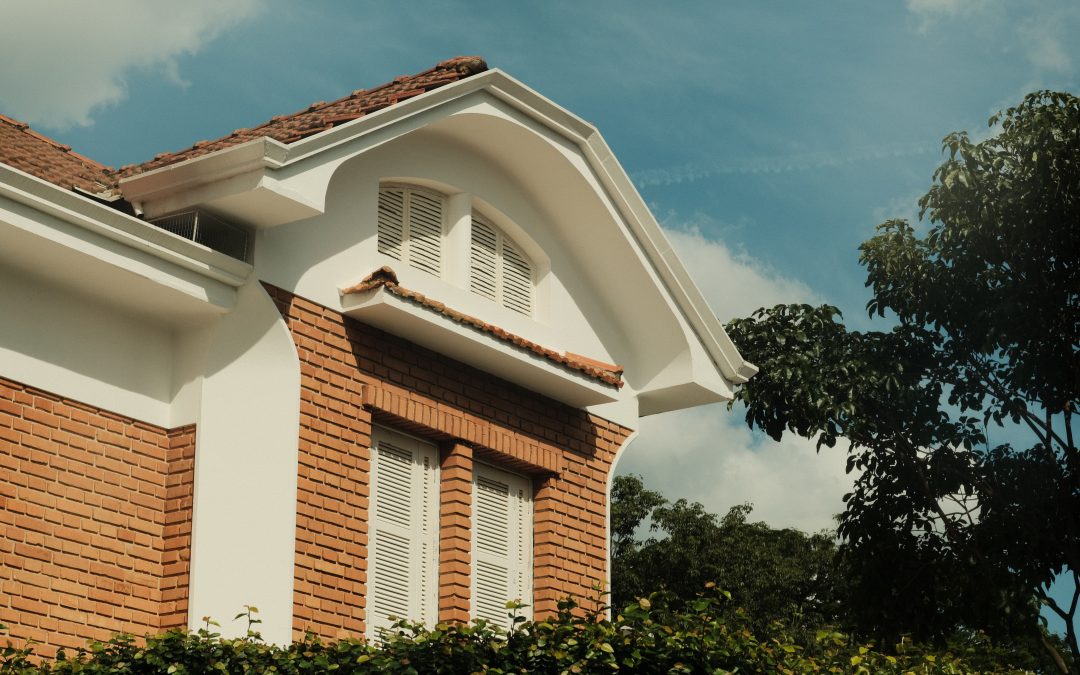
Your roof does a lot more than keep rain out. It protects your entire home from the elements, helps regulate indoor temperatures, and supports your home’s overall structure. While most homeowners focus on shingles or gutters, there’s another part of the roofing system that deserves just as much attention: the attic.
A properly ventilated attic quietly works year-round to remove excess heat and moisture. Without good airflow, your roof can age faster, energy bills may increase, and moisture-related problems can develop before you even notice them.
If you’ve ever wondered how proper attic ventilation protects your roof, you’re not alone. Understanding how this hidden system works can help you avoid expensive repairs and keep your home in better condition for years to come.
What Is Attic Ventilation?
Attic ventilation is a system that allows fresh air to enter the attic while letting warm, moist air escape.
Most homes use a combination of intake vents and exhaust vents.
Intake vents are usually installed along the roof’s lower edge, often in the soffits. Exhaust vents are placed near the roof ridge or higher sections of the roof, allowing hot air to rise and exit naturally.
This continuous airflow helps maintain a balanced attic temperature throughout the year.
Why Proper Ventilation Is So Important
Heat and moisture naturally build up inside an attic.
Without adequate ventilation, that trapped air creates conditions that can damage roofing materials, insulation, and even the home’s structure.
According to the U.S. Department of Energy, proper attic ventilation works together with insulation to improve energy efficiency and reduce heat buildup in the home.
A well-designed ventilation system helps your roof perform as intended in every season.
Reduces Excess Heat During Summer
Attics can become extremely hot during warm weather.
On sunny days, attic temperatures may climb well above outdoor temperatures, placing additional stress on roofing materials.
When heat remains trapped for long periods, it can:
- Speed up shingle aging
- Increase cooling costs
- Overwork your air conditioning system
- Heat living spaces below the attic
One of the biggest reasons homeowners learn how proper attic ventilation protects your roof is to minimize this excessive heat buildup.
By allowing hot air to escape, ventilation helps roofing materials last longer while improving indoor comfort.
Prevents Moisture Damage
Moisture is one of the biggest threats to any roofing system.
Everyday household activities such as cooking, showering, and doing laundry release moisture into the air. Some of that moisture naturally rises into the attic.
Without ventilation, moisture can accumulate and lead to problems like:
- Mold growth
- Wood rot
- Damp insulation
- Rusted metal components
- Structural deterioration
Proper airflow helps remove humid air before it causes damage.
Helps Extend Roof Lifespan
Replacing a roof is one of the largest home maintenance expenses many homeowners face.
Proper attic ventilation supports longer roof life by reducing the stress caused by extreme temperatures and trapped moisture.
Roofing manufacturers often recommend balanced ventilation because it helps roofing systems perform as designed under normal conditions.
Protecting your roof from unnecessary wear can delay costly replacements.
Improves Energy Efficiency
A cooler attic can make a noticeable difference inside your home.
When attic temperatures remain lower during summer, less heat transfers into living spaces below.
As a result:
- Air conditioners run less frequently.
- Cooling costs may decrease.
- Indoor temperatures stay more comfortable.
- HVAC systems experience less strain.
While ventilation alone will not solve every energy issue, it plays an important role alongside proper insulation.
Protects Attic Insulation
Insulation works best when it stays dry.
If moisture builds up inside the attic, insulation can lose much of its effectiveness.
Wet insulation:
- Reduces energy efficiency
- Takes longer to dry
- May develop mold
- Can require replacement
Good ventilation helps keep insulation dry so it continues performing properly throughout the year.
Helps Prevent Ice Dams in Cold Climates
Although ice dams are more common in colder regions, they highlight another benefit of attic ventilation.
Ice dams form when heat escapes into the attic, warming the roof and melting snow. The water then refreezes near colder roof edges.
Proper ventilation helps maintain a more consistent roof temperature, reducing the conditions that contribute to ice dam formation.
Combined with sufficient insulation, this creates a healthier roofing system during winter.
Signs Your Attic May Have Poor Ventilation
Many ventilation problems develop gradually.
Watch for warning signs such as:
- Excessively hot attic temperatures
- Mold or mildew odors
- Condensation on roof decking
- Rust on nails or metal hardware
- Curled or aging shingles
- High summer energy bills
- Damp insulation
If you notice several of these issues, it may be time to have your attic inspected.
Types of Attic Vents
Several ventilation systems are commonly used in residential roofing.
These include:
- Ridge vents
- Soffit vents
- Gable vents
- Roof louvers
- Turbine vents
- Powered attic fans
The best system depends on your roof design, local climate, and home size.
Many roofing professionals recommend balanced intake and exhaust ventilation rather than relying on a single vent type.
Regular Roof Maintenance Matters
Ventilation works best when the entire roofing system is properly maintained.
Homeowners should regularly:
- Check vents for blockages
- Remove debris from roof openings
- Inspect insulation
- Look for signs of moisture
- Schedule professional roof inspections
- Repair damaged roofing materials promptly
Routine maintenance helps identify small problems before they become expensive repairs.
When to Consult a Roofing Professional
If your attic feels unusually hot or shows signs of moisture, a professional inspection can determine whether ventilation needs improvement.
Roofing experts evaluate:
- Vent placement
- Airflow balance
- Insulation levels
- Roof condition
- Moisture issues
Making adjustments early often prevents larger roofing problems later.
Conclusion
Understanding how proper attic ventilation protects your roof can help you make smarter decisions about home maintenance. Although attic ventilation often goes unnoticed, it plays a vital role in controlling heat, reducing moisture, improving energy efficiency, and extending the life of your roofing system.
By combining proper ventilation with quality insulation and regular roof inspections, homeowners can protect one of their most valuable investments while creating a healthier and more comfortable home. A little attention to your attic today can help prevent costly roofing repairs for years to come.