
Replacing your roof is a significant investment that can enhance the safety, value, and appearance of your home. Understanding the roof replacement process can help you prepare and ensure a smooth and successful project. This post provides an overview of what to expect during a roof replacement and the steps involved.
Steps in the Roof Replacement Process:
- Initial Consultation: The process begins with an initial consultation, where a roofing professional assesses your roof’s condition, discusses your needs and preferences, and provides an estimate for the replacement.
- Choosing Materials: You’ll select the roofing materials that best suit your budget, aesthetic preferences, and climate requirements. Options include asphalt shingles, metal roofing, clay tiles, and more.
- Scheduling the Project: Once you’ve chosen the materials and agreed on the estimate, the roofing contractor will schedule the project. They’ll provide a timeline and explain what to expect during the replacement.
- Preparation: On the scheduled start date, the roofing team will prepare your home for the replacement. This includes protecting landscaping, covering windows, and setting up safety measures.
- Removing the Old Roof: The first major step is removing the existing roof. This involves stripping away old shingles, underlayment, and any damaged materials down to the roof deck.
- Inspecting and Repairing the Deck: The roof deck is inspected for any damage or rot. Any necessary repairs are made to ensure a solid foundation for the new roof.
- Installing Underlayment: A waterproof underlayment is installed to provide an extra layer of protection against water infiltration.
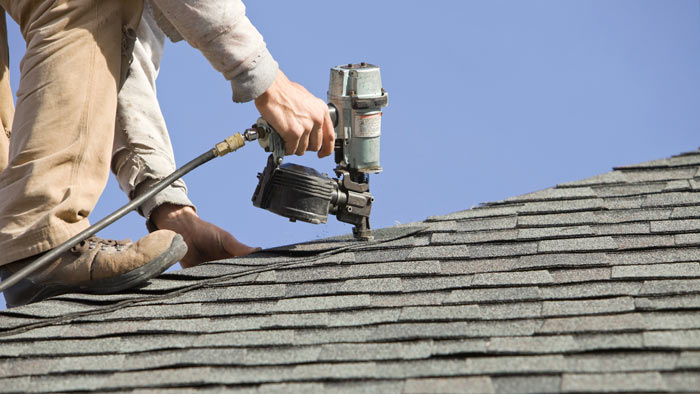
- Installing New Roofing Material: The new roofing material is installed according to manufacturer specifications and industry standards. This includes laying shingles, securing metal panels, or placing tiles.
- Final Inspection: Once the installation is complete, a thorough inspection is conducted to ensure everything is properly installed and meets quality standards.
- Clean-Up: The roofing team will clean up the job site, removing debris, nails, and any leftover materials. Your property is left in pristine condition.
- Final Walkthrough: The contractor will perform a final walkthrough with you to ensure you are satisfied with the work and address any questions or concerns.
Benefits of a Professional Roof Replacement:
- Enhanced Home Value: A new roof can significantly increase your home’s market value and curb appeal.
- Improved Safety: A properly installed roof ensures the safety and protection of your home and family.
- Energy Efficiency: Modern roofing materials offer improved insulation and energy efficiency, reducing heating and cooling costs.
- Long-Term Performance: A professional roof replacement ensures long-lasting performance and durability, providing peace of mind for years to come.
Conclusion: Understanding the roof replacement process can help you prepare for a successful project. Contact us today to schedule a consultation and start your journey toward a new, reliable roof.