
Choosing the right roofing material is crucial for the durability and aesthetic appeal of your home. Here’s an overview of the different types of roofing materials available and their benefits.
1. Asphalt Shingles
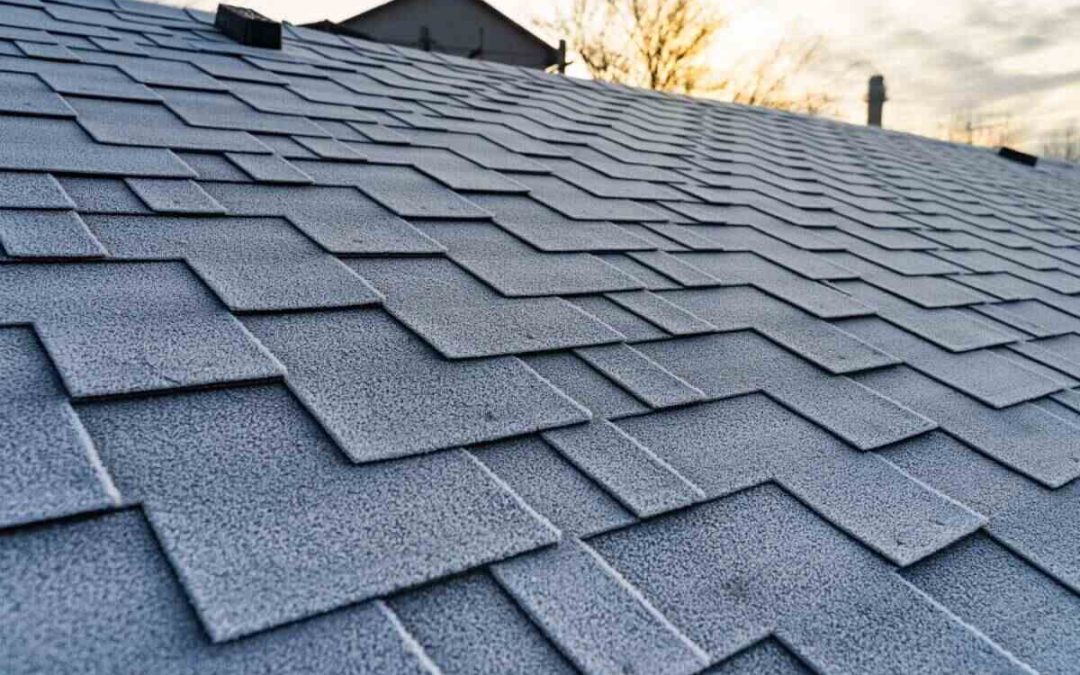
Asphalt shingles are one of the most popular roofing materials due to their affordability and ease of installation. They come in various colors and styles, providing a versatile option for homeowners. Asphalt shingles are durable and offer good fire and wind resistance.
2. Metal Roofing
Metal roofing is known for its longevity and durability. It’s resistant to extreme weather conditions, including high winds, heavy snow, and hail. Metal roofs are energy-efficient as they reflect solar heat, reducing cooling costs. They also come in various styles and colors, mimicking other materials like slate or wood.
3. Tile Roofing
Tile roofing, often made from clay or concrete, is renowned for its classic and elegant appearance. It’s highly durable and can last for decades if properly maintained. Tile roofs are also fire-resistant and provide excellent insulation. However, they are heavier and may require additional structural support.
4. Slate Roofing
Slate roofing is a premium option known for its natural beauty and exceptional durability. It’s resistant to fire, water, and weather damage, making it one of the longest-lasting roofing materials. Slate roofs are also environmentally friendly, as they can be recycled. However, they are one of the most expensive roofing options.
5. Wood Shingles and Shakes
Wood shingles and shakes offer a rustic and natural look to homes. They are typically made from cedar, redwood, or pine. Wood roofs provide good insulation and are environmentally friendly. However, they require regular maintenance and are not as fire-resistant as other materials unless treated.
6. Synthetic Roofing
Synthetic roofing materials, such as synthetic slate or shake, mimic the appearance of natural materials but offer better durability and lower maintenance. They are lightweight, impact-resistant, and can be more cost-effective. Synthetic options are also available in a variety of colors and styles.
Conclusion
Understanding the different types of roofing materials, including asphalt shingles, metal roofing, tile roofing, slate roofing, wood shingles and shakes, and synthetic roofing, can help you make an informed decision for your home. Each material offers unique benefits, and choosing the right one depends on your budget, aesthetic preferences, and climate considerations.