
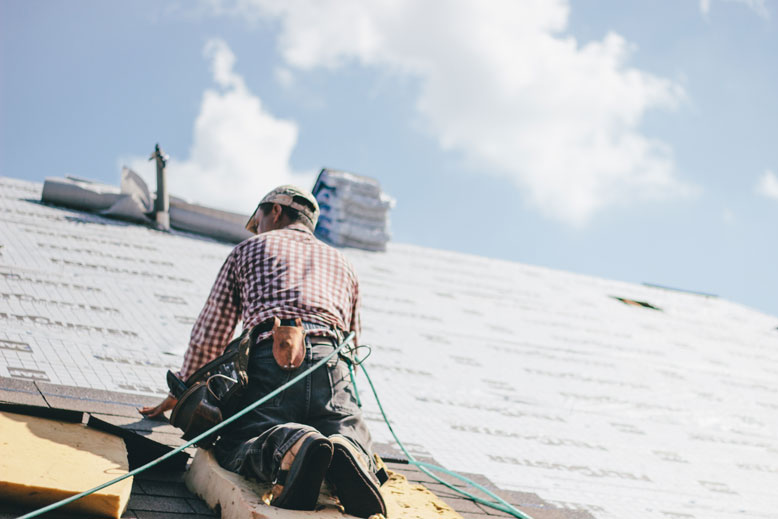
Replacing a roof is a significant investment and a major home improvement project. Understanding the roof replacement process can help homeowners prepare and ensure a smooth and successful project. Here’s what you need to know about the roof replacement process.
1. Initial Inspection and Assessment
The first step in the roof replacement process is a thorough inspection and assessment by a professional roofing contractor. This involves evaluating the current condition of your roof, identifying any damage, and determining the scope of the replacement project.
2. Choosing Roofing Materials
Once the assessment is complete, you’ll need to choose the roofing materials for your new roof. Consider factors such as durability, energy efficiency, aesthetic appeal, and budget. Your contractor can provide recommendations based on your specific needs and preferences.
3. Preparing the Home
Before the roof replacement begins, certain preparations are necessary to protect your home and property. This may include covering landscaping, removing items from walls and ceilings inside the home, and ensuring easy access for the roofing crew.
4. Removing the Old Roof
The next step is to remove the old roofing materials. This involves stripping away shingles, underlayment, and any damaged decking. Proper disposal of the old materials is crucial to maintain a clean and safe worksite.
5. Inspecting and Repairing the Decking
With the old roof removed, the underlying decking is inspected for any signs of damage or rot. Any necessary repairs or replacements are made to ensure a solid foundation for the new roofing materials.
6. Installing the New Roof
The installation of the new roof begins with laying down a moisture barrier or underlayment to protect the decking from water damage. Next, the new shingles or roofing materials are installed, starting from the bottom edge of the roof and working upwards.
7. Final Inspection and Cleanup
Once the new roof is installed, a final inspection is conducted to ensure that all work has been completed to the highest standards. The worksite is thoroughly cleaned, and any debris is removed. Your contractor will also review the installation with you and provide maintenance tips to keep your new roof in top condition.
Conclusion
The roof replacement process involves an initial inspection and assessment, choosing roofing materials, preparing the home, removing the old roof, inspecting and repairing the decking, installing the new roof, and a final inspection and cleanup. Understanding these steps can help homeowners prepare for a roof replacement project and ensure a successful outcome.