
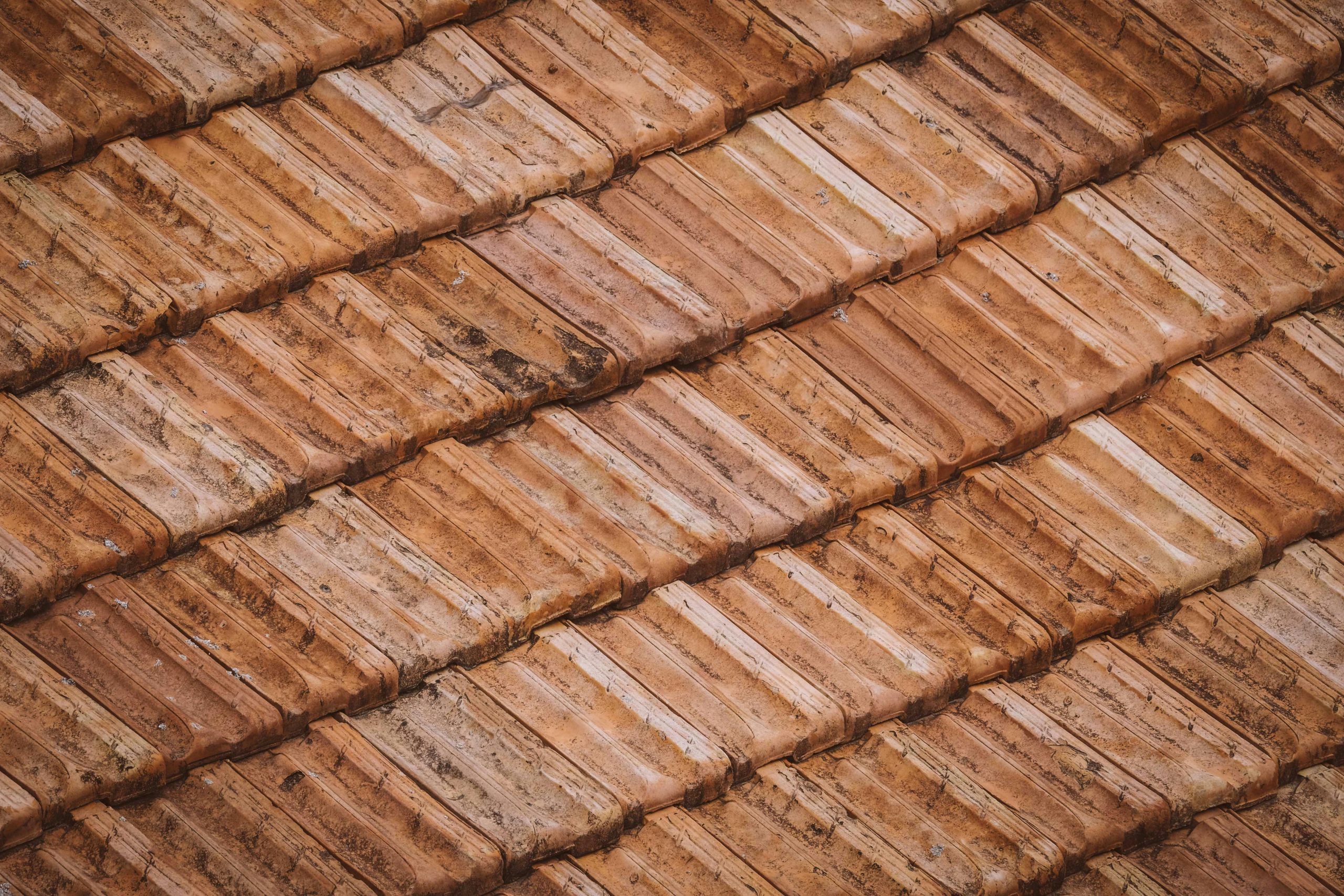
Have you ever noticed parts of your roof making odd noises or shingles that seem to scrape against one another? That could be a sign of rubbing roofing material, a common issue that many homeowners overlook until it leads to serious damage. Whether it is caused by poor installation, strong winds, or natural wear and tear, understanding why roofing materials rub against each other can save you costly repairs and extend the life of your roof.
What Is Rubbing Roofing Material?
Rubbing roofing material refers to the friction or contact between different roof components, such as shingles, flashing, vents, or underlayment. This rubbing can happen when materials expand and contract due to temperature changes or when parts of the roof shift over time.
In simple terms, it is like your roof moving slightly out of sync with itself. When this happens repeatedly, it wears down protective layers and exposes your roof to leaks, cracks, and water damage. According to the National Roofing Contractors Association (NRCA), even minor friction between roofing materials can reduce a roof’s lifespan by up to 15% if not addressed promptly.
Common Causes of Rubbing Roofing Material
Understanding what leads to rubbing roofing material helps you catch problems early. Here are some of the most common causes:
1. Poor Installation
Improperly installed shingles or flashing can easily shift and rub against nearby sections. If nails are not driven straight or the underlayment is uneven, it creates friction points that worsen with time.
2. Temperature Fluctuations
Your roof expands in the heat and contracts in the cold. Over time, this natural movement causes roofing materials to press and slide against each other, especially on metal or asphalt roofs.
3. Wind Damage
Strong winds can lift shingles, causing them to flap or scrape against neighboring pieces. This is a leading cause of premature shingle wear in regions with frequent storms.
4. Poor Ventilation
If your attic or roof structure lacks proper ventilation, heat buildup can warp roofing materials. As they expand, sections may start rubbing together, eventually weakening your roof’s protective layers.
5. Aging Materials
As roofing materials age, they become brittle, loose, or misshaped. Over time, this leads to increased friction and movement between overlapping parts.
Signs You Might Have Rubbing Roofing Material
Detecting rubbing roofing material early can prevent expensive repairs. Look out for these signs:
-
Creaking or rubbing noises during windy or hot days
-
Visible wear or shiny spots on shingles
-
Loose flashing or shingles that seem to overlap unevenly
-
Small leaks or moisture spots in your attic ceiling
-
Discoloration or fine dust from worn materials near vents or gutters
If you notice any of these symptoms, it is best to have your roof inspected by a professional before the problem worsens.
How to Fix Rubbing Roofing Material
Repairing rubbing roofing material depends on the cause, but in most cases, small fixes can make a big difference.
1. Re-Secure Loose Materials
Tighten or re-nail any shingles, flashing, or panels that may have shifted out of place. Be sure to use the right fasteners and sealants recommended for your roof type.
2. Add Protective Barriers
Roofing experts often install thin pads, sealant strips, or underlayment membranes between materials to reduce friction and noise. This simple step prevents direct rubbing and extends the roof’s life.
3. Improve Roof Ventilation
A well-ventilated roof helps maintain stable temperatures, which reduces material movement. Adding ridge vents or attic fans can make a big difference in preventing rubbing.
4. Regular Maintenance
Inspect your roof at least twice a year—once after winter and once after summer. Routine checks help you catch early signs of rubbing roofing material, loose nails, or damaged shingles.
5. Replace Worn Sections
If your roof is older or severely worn, replacing certain areas might be the best option. Partial roof replacements can prevent small issues from turning into full-blown leaks.
Preventing Future Roof Friction
Prevention is always better than repair. Here are a few simple steps to minimize rubbing roofing material in the future:
-
Choose quality materials that are compatible with your climate and roof structure.
-
Hire certified roofing contractors who follow proper installation standards.
-
Trim overhanging tree branches that can cause friction or pressure on your roof.
-
Clean debris regularly to prevent extra weight and surface friction.
-
Schedule professional roof inspections annually to catch minor problems early.
According to HomeAdvisor, regular roof maintenance can increase a roof’s lifespan by up to 30%, which shows just how effective preventive care can be.
When to Call a Professional
If the rubbing roofing material is causing leaks, visible damage, or unusual noises, it is time to contact a roofing expert. Professionals have the tools and experience to pinpoint the problem source and offer lasting solutions. Avoid trying to fix major roofing issues on your own, as improper handling can worsen the damage.
Final Thoughts
Your roof is one of your home’s most important defenses against the elements, and small issues like rubbing roofing material can compromise its performance over time. By paying attention to early warning signs and investing in regular inspections, you can prevent costly repairs and extend the lifespan of your roof.
A little care today can save you a big headache tomorrow. So next time your roof creaks or shifts, do not ignore it—take it as a sign that your home needs a little attention.