
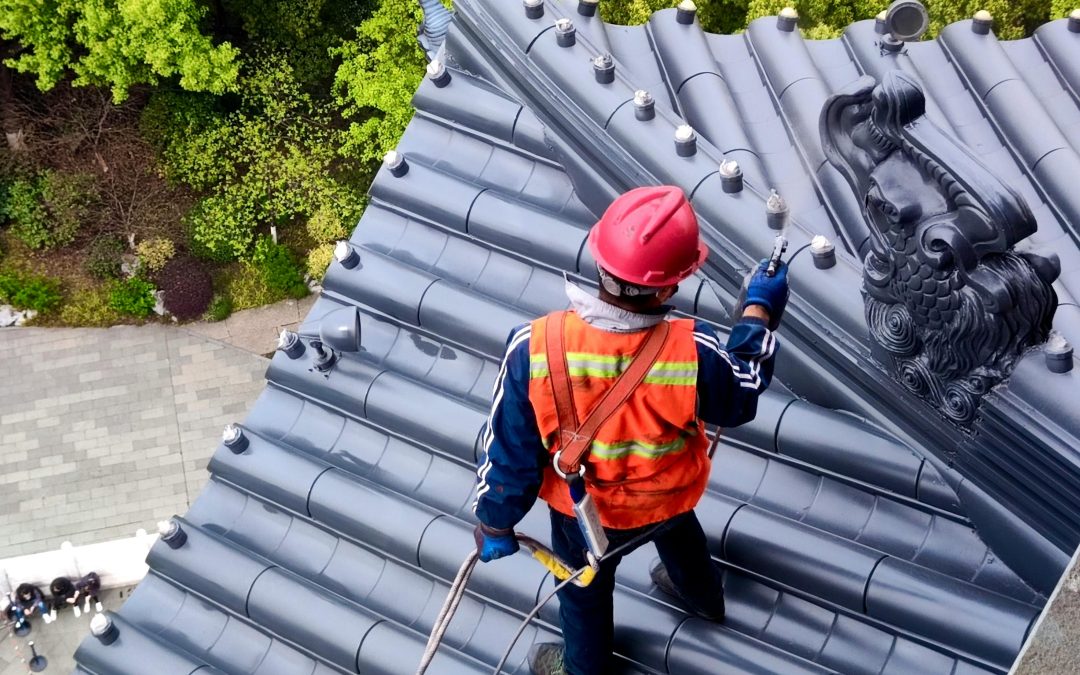
Your roof quietly protects your home every single day. Rain, heat, wind, and debris all take a toll over time, which is why regular inspections matter more than most homeowners realize. Following smart roofing inspection tips helps you catch small issues early, avoid costly repairs, and extend the life of your roof. Whether you are a new homeowner or have lived in your house for years, understanding how and when to inspect your roof can save you stress and money.
Why Roofing Inspections Are So Important
Many roofing problems start small and remain hidden until serious damage occurs. According to the National Roofing Contractors Association, homeowners should inspect their roofs at least twice a year to prevent premature roof failure. Regular inspections reduce the risk of leaks, structural damage, and mold growth inside the home.
Roof inspections help you:
-
Identify minor issues before they become expensive repairs
-
Maintain your roof warranty requirements
-
Improve energy efficiency by sealing gaps and damage
-
Protect your home’s structure and interior
Consistent inspections are one of the easiest ways to protect your investment.
When to Inspect Your Roof
Timing matters when it comes to roof inspections. The best times to inspect are during mild weather when conditions are safe and damage is easier to spot.
Ideal inspection times include:
-
Spring, after winter weather has passed
-
Fall, before colder weather arrives
-
After severe storms or high winds
-
Before buying or selling a home
Using seasonal roofing inspection tips helps ensure your roof stays in good condition all year.
Safety First Before Inspecting
Before inspecting your roof, safety should always come first. Falls are one of the most common household injuries, so caution is essential.
Basic safety tips include:
-
Use a sturdy ladder on level ground
-
Wear non-slip shoes
-
Avoid inspecting during wet or windy conditions
-
Stay off steep roofs and inspect from the ground when possible
If you are uncomfortable or unsure, a professional inspection is always the safest option.
What to Look for on the Roof Surface
When inspecting the roof surface, look carefully for visible signs of wear or damage. These are often the first indicators that repairs may be needed.
Key things to check include:
-
Missing, cracked, or curling shingles
-
Bald spots where granules are missing
-
Rusted or loose flashing around chimneys and vents
-
Sagging areas that may indicate structural issues
Spotting these early allows you to take action before leaks develop.
Checking Gutters and Drainage
Gutters play a major role in protecting your roof and foundation. Clogged or damaged gutters can cause water to back up under shingles.
During inspection, check for:
-
Leaves, debris, or standing water
-
Loose or sagging gutter sections
-
Signs of water overflow on siding
-
Proper downspout drainage away from the home
Clean gutters support overall roof health and prevent moisture damage.
Inspecting the Attic and Interior
Some roof issues are easier to spot from inside the home. Your attic provides valuable clues about roof performance.
Look for:
-
Water stains on ceilings or attic insulation
-
Mold or mildew odors
-
Sunlight coming through roof boards
-
Damp insulation or wood rot
These signs often indicate leaks that may not be visible from the exterior.
Common Roofing Problems Found During Inspections
Using proven roofing inspection tips helps identify common issues that many homeowners overlook.
Frequently discovered problems include:
-
Loose flashing around vents and chimneys
-
Improper sealing around skylights
-
Nail pops pushing shingles upward
-
Aging materials nearing the end of their lifespan
Addressing these early prevents emergency repairs and interior damage.
DIY Inspection vs Professional Inspection
While homeowners can perform basic inspections, professional roof inspections offer added expertise and tools.
DIY inspections are useful for:
-
Visual checks from the ground
-
Monitoring known problem areas
-
Seasonal maintenance planning
Professional inspections are recommended for:
-
Older roofs
-
After severe storms
-
When selling or buying a home
-
Suspected leaks or structural issues
Combining both approaches gives you the most reliable results.
How Often Should You Inspect Your Roof
Most experts recommend inspecting your roof at least twice a year. However, frequency can vary depending on climate, roof age, and materials.
Asphalt shingle roofs typically require closer monitoring as they age. Metal and tile roofs often last longer but still benefit from routine inspections. Following consistent roofing inspection tips helps maximize roof lifespan regardless of material.
Cost Benefits of Regular Roof Inspections
Many homeowners avoid inspections because they fear costs. In reality, inspections save money long term. HomeAdvisor reports that minor roof repairs cost significantly less than major leak or structural repairs. Preventive inspections reduce the likelihood of full roof replacements.
Spending a little time and money on inspections can prevent thousands of dollars in damage later.
Conclusion: Make Roof Inspections a Habit
Your roof is one of the most important parts of your home, and it deserves regular attention. By following reliable roofing inspection tips, you can spot problems early, maintain your roof’s integrity, and protect your home from unexpected damage.
Regular inspections give you peace of mind and help extend the life of your roof. Whether you choose a DIY approach or hire a professional, making roof inspections a routine habit is one of the smartest decisions a homeowner can make.