
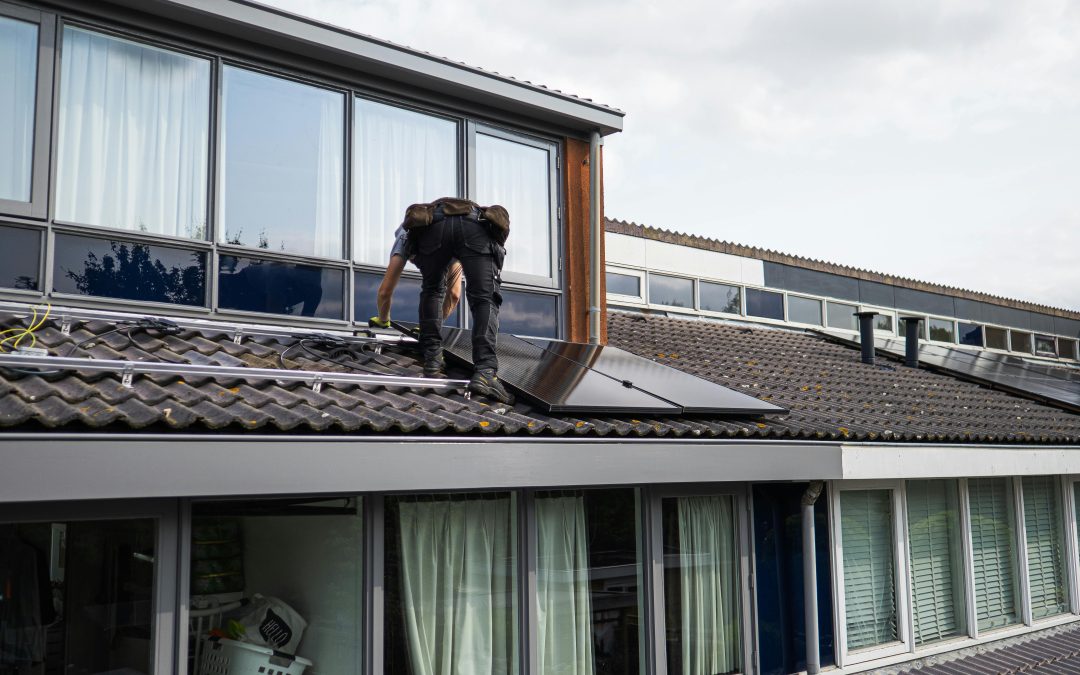
A roof is more than just a finishing touch on your home. It protects everything underneath it, from your belongings to the people you care about most. If you are thinking about a residential roof installation, it can feel overwhelming at first. There are materials to choose from, costs to consider, and timelines to plan around. The good news is that with the right information, the process becomes much easier and far less stressful.
Let us walk through what really matters so you can feel confident about your next steps.
Why Residential Roof Installation Is a Big Deal
Your roof plays a major role in your home’s safety, energy efficiency, and overall value. According to the National Association of Realtors, a new roof can recover about 60 percent of its cost in added home value, making it one of the most worthwhile exterior upgrades. Beyond resale value, a properly installed roof helps regulate indoor temperatures and prevents costly water damage.
A residential roof installation is not just a repair. It is a long term investment in comfort and peace of mind.
Signs It Is Time for a New Roof
Sometimes the need for a new roof is obvious. Other times, it creeps up slowly. Common signs include:
-
Shingles that are curling, cracked, or missing
-
Water stains on ceilings or walls
-
Granules collecting in gutters
-
Sagging rooflines
-
Frequent leaks after heavy rain
If your roof is over 20 years old, many experts suggest a professional inspection even if there are no visible issues. Small problems often signal bigger ones underneath.
Choosing the Right Roofing Material
One of the first decisions in a residential roof installation is selecting the material. Each option has its own benefits depending on your climate, budget, and style preferences.
Popular choices include:
-
Asphalt shingles: Affordable, widely available, and easy to install. They typically last 20 to 30 years.
-
Metal roofing: Durable and energy efficient. The Metal Roofing Alliance reports that metal roofs can last 40 to 70 years with proper care.
-
Clay or concrete tiles: Known for longevity and classic appearance, especially in warmer climates.
-
Wood shingles or shakes: Offer natural beauty but require more maintenance.
Your location and weather patterns matter a lot here. For example, metal roofs perform well in areas with heavy rain or snow, while asphalt shingles remain a practical choice for many homeowners.
What the Installation Process Looks Like
Understanding the process helps reduce anxiety and surprises. While every project is unique, most residential roof installation projects follow a similar path.
First, the old roofing materials are removed. This allows contractors to inspect the decking underneath. Any damaged areas are repaired before moving forward. Next, protective layers like underlayment and flashing are installed to guard against moisture.
Finally, the new roofing material is laid down carefully and secured according to manufacturer guidelines. A final inspection ensures everything is sealed and aligned properly.
Most installations take one to three days, depending on the size of the home and the weather.
How Weather and Timing Affect Installation
Timing matters more than many homeowners realize. Roofing work depends heavily on weather conditions. Mild, dry weather is ideal because materials seal better and crews can work safely.
Spring and early fall are often the busiest seasons for residential roof installation. Scheduling early can help avoid delays. In contrast, winter installations may cost less but can take longer due to temperature limitations.
Cost Factors to Keep in Mind
The cost of a new roof varies widely. Factors that influence pricing include:
-
Roof size and slope
-
Material choice
-
Removal of old roofing
-
Structural repairs if needed
-
Local labor rates
According to HomeAdvisor, the average cost of a new residential roof in the United States ranges from $8,000 to $15,000, depending on these factors. While it can be tempting to focus on the lowest quote, quality workmanship often saves money in the long run.
How Installation Affects Energy Efficiency
A properly installed roof can noticeably improve energy efficiency. Reflective materials and proper ventilation help regulate indoor temperatures, reducing strain on heating and cooling systems.
The U.S. Department of Energy notes that cool roofing materials can lower roof surface temperature by up to 50 degrees Fahrenheit in sunny conditions. Over time, this can translate into lower utility bills and a more comfortable home.
Common Mistakes to Avoid
Homeowners sometimes rush decisions during a residential roof installation. Avoid these common pitfalls:
-
Choosing materials based only on price
-
Skipping proper ventilation upgrades
-
Ignoring warranty details
-
Not planning for future maintenance
Taking time to understand each step helps prevent regrets later.
Questions to Ask Before Installation
Before starting, it helps to ask clear questions so expectations are aligned:
-
What warranties come with the materials and labor?
-
How will debris and cleanup be handled?
-
What happens if bad weather causes delays?
-
Will the roof meet local building codes?
Clear communication upfront leads to smoother projects.
Final Thoughts on Residential Roof Installation
A residential roof installation is a major milestone for any homeowner. While it requires planning and investment, the payoff is long lasting protection, improved efficiency, and added value to your home. By understanding materials, timing, and the installation process, you can make informed decisions with confidence.
In the end, a well installed roof does more than shelter your house. It supports your comfort, your budget, and your peace of mind for years to come.