
Your roof is one of the most important parts of your home, yet it is easy to forget until a leak or major damage appears. Catching problems early saves money and prevents extensive repairs. Learning how to spot early signs of roof damage ensures your home stays protected and avoids unexpected emergencies. According to the National Roofing Contractors Association, timely roof inspections can prevent up to 50% of costly repairs, making vigilance essential.
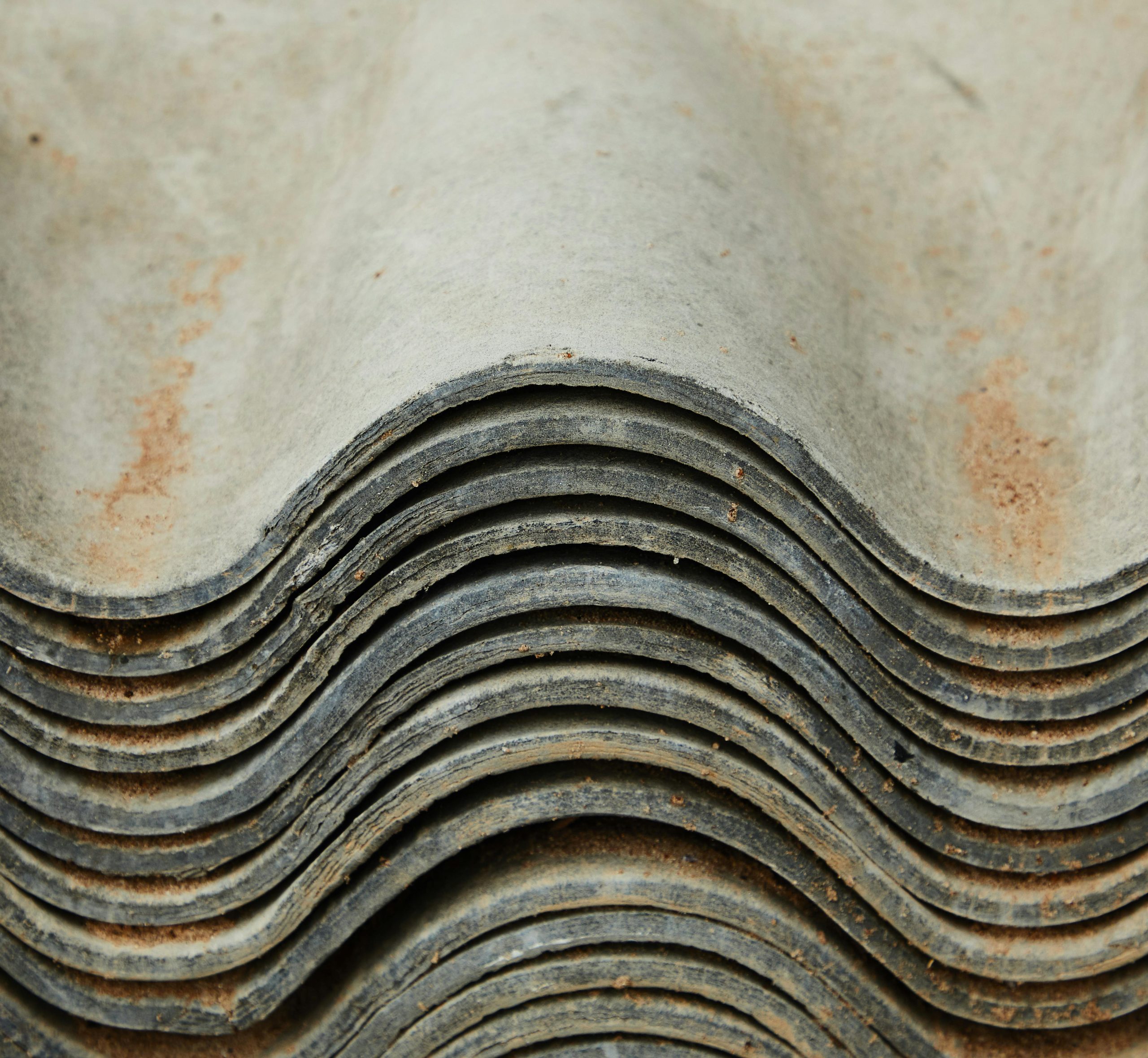
Check for Missing or Damaged Shingles
Shingles protect your roof from weather, so missing, cracked, or curling shingles are a key indicator of potential damage.
Tips for inspection:
-
Look for shingles that appear loose or warped
-
Check for granules accumulating in gutters, which may indicate wear
-
Inspect after storms for displaced or broken shingles
Early detection allows for quick repairs and prevents leaks or water damage.
Inspect for Water Stains and Leaks
Water intrusion is a common consequence of roof damage. Early signs can appear inside your home before visible roof damage is obvious.
Indicators to watch for:
-
Brown or yellow stains on ceilings and walls
-
Damp spots in the attic or around roof vents
-
Dripping water or mold growth in hidden areas
Addressing leaks promptly prevents structural damage and costly remediation.
Examine Flashing and Roof Edges
Flashing around chimneys, vents, and skylights directs water off the roof. Damaged or loose flashing can lead to serious problems.
Inspection pointers:
-
Look for rust, cracks, or gaps in metal flashing
-
Check edges of the roof for lifted or deteriorating materials
-
Ensure all seals are intact and watertight
Maintaining flashing keeps water from penetrating critical points of your roof.
Look for Sagging or Uneven Rooflines
Sagging roof sections may indicate structural issues caused by water damage or weakened support beams.
Signs to monitor:
-
Roof appears uneven when viewed from the ground
-
Areas of decking that feel soft when walked on
-
Gutters pulling away from the roofline
Identifying structural weaknesses early ensures the roof remains safe and functional.
Monitor Attic Ventilation and Insulation
Improper ventilation and insulation can accelerate roof damage by trapping heat and moisture.
Checkpoints include:
-
Excessive heat or moisture in the attic
-
Mold, mildew, or wood rot near roof vents
-
Insulation that appears damp or compressed
Proper attic maintenance prevents deterioration and prolongs roof life.
Observe Exterior and Landscape Indicators
Damage can sometimes be spotted around your home without climbing onto the roof.
Outdoor signs include:
-
Fallen shingles or granules on the ground
-
Leaning trees or branches overhanging the roof
-
Water pooling near the foundation after rain
These clues often indicate potential roof problems that need professional attention.
Schedule Professional Roof Inspections
Even with careful observation, some damage is not visible from the ground. Regular professional inspections provide expert evaluation.
Benefits of inspections:
-
Detect hidden issues like underlayment damage or leaks
-
Receive recommendations for maintenance or repairs
-
Extend roof lifespan through preventive care
Professional inspections complement your own monitoring and ensure a well-maintained roof.
Final Takeaway
Learning how to spot early signs of roof damage is essential to protect your home and save money. Regularly check shingles, flashing, rooflines, attic conditions, and exterior indicators. Prompt attention to small issues prevents major repairs, water damage, and structural problems. Combining personal inspections with professional evaluations ensures your roof remains strong and reliable for years to come.