
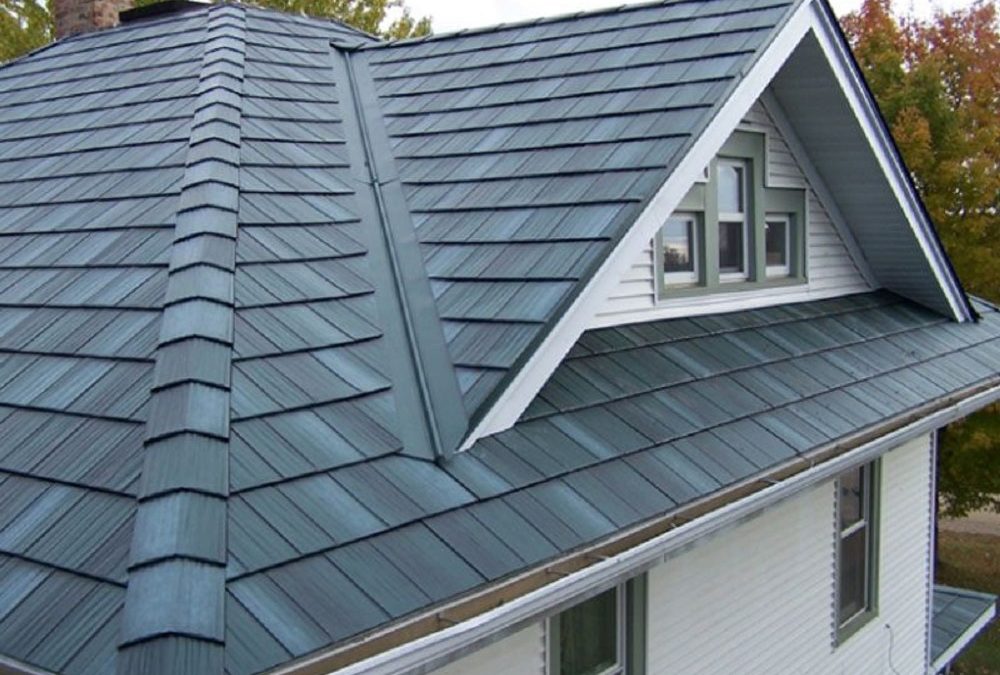
Selecting the appropriate roofing material for your climate is crucial for ensuring the longevity and performance of your roof. Here’s a guide to help you choose the best roofing material based on your local weather conditions.
1. Asphalt Shingles
Asphalt shingles are a versatile and popular choice that performs well in a variety of climates. They are durable, affordable, and provide good protection against wind and rain. However, they may not be the best option for extremely hot climates, as they can become brittle and degrade faster under intense heat.
2. Metal Roofing
Metal roofing is ideal for areas with heavy snow, rain, or high winds. It’s highly durable, resistant to extreme weather, and can reflect solar heat, making it suitable for both hot and cold climates. Metal roofing is also fire-resistant, which is beneficial in areas prone to wildfires.
3. Tile Roofing
Tile roofing, including clay and concrete tiles, is excellent for hot and dry climates. Tiles provide good insulation and can withstand high temperatures without deteriorating. They are also resistant to fire and pests. However, tile roofs are heavy and may require additional structural support.
4. Slate Roofing
Slate roofing is a premium option that performs well in various climates, particularly in areas with frequent freeze-thaw cycles. Slate is highly durable, resistant to water and temperature fluctuations, and can last for decades. Its weight and cost are considerations, but its longevity and performance can outweigh these factors.
5. Wood Shingles and Shakes
Wood shingles and shakes are best suited for moderate climates with low humidity. They offer natural insulation and a rustic aesthetic. However, they require regular maintenance and are not recommended for areas prone to wildfires or high humidity, as they can be susceptible to fire and rot.
6. Synthetic Roofing
Synthetic roofing materials, such as synthetic slate or composite shingles, are designed to mimic the appearance of natural materials while offering enhanced durability and weather resistance. They are suitable for a wide range of climates and provide a lightweight, low-maintenance option.
Conclusion
Choosing the right roofing material for your climate involves considering factors such as temperature extremes, precipitation, wind conditions, and fire risk. Asphalt shingles, metal roofing, tile roofing, slate roofing, wood shingles and shakes, and synthetic roofing each offer unique benefits depending on your local weather conditions. Select a material that will provide the best performance and longevity for your home.