
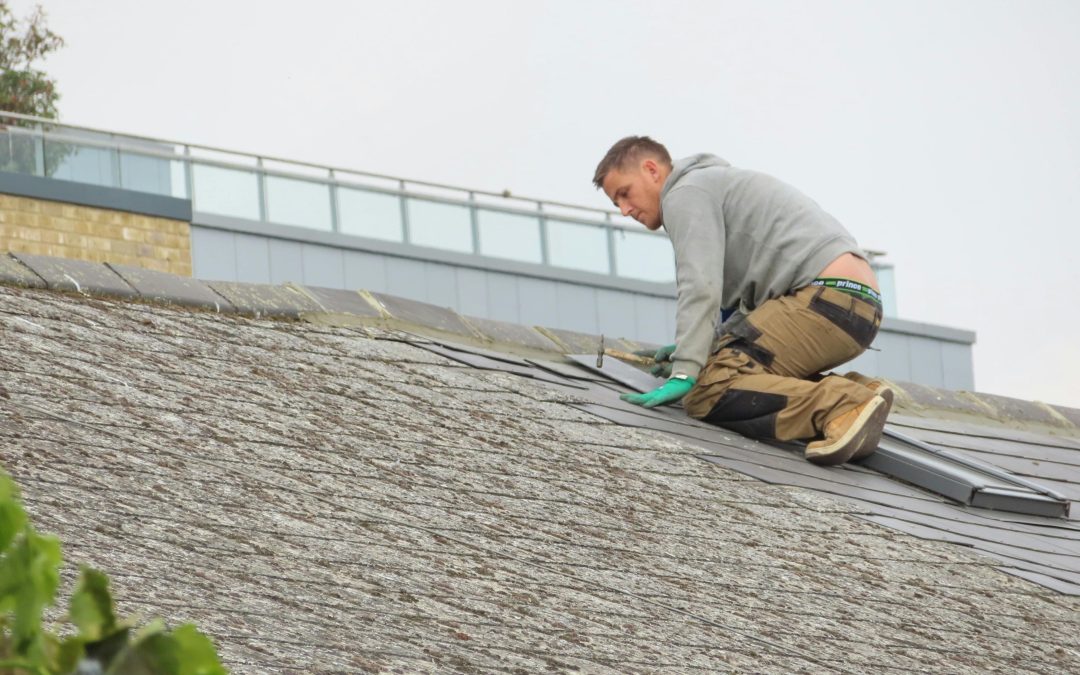
Your roof does more than just sit on top of your house. It protects your family, your belongings, and the structure itself from rain, wind, heat, and cold. Yet many homeowners do not fully understand what makes a roof truly reliable. If you have ever wondered how quality roofing works, you are in the right place.
A quality roof is not just about shingles. It is a complete system designed to work together to keep moisture out, regulate temperature, and withstand years of weather exposure. When installed correctly and maintained properly, a high quality roof can last decades and save you significant repair costs.
Let us break it down step by step in a way that makes sense.
What Defines Quality Roofing
Quality roofing is a combination of durable materials, proper installation, ventilation, and ongoing maintenance. It is not just one product but a layered system working together.
According to the National Roofing Contractors Association, asphalt shingle roofs typically last between 20 and 30 years when installed and maintained properly. Metal roofs can last 40 to 70 years. The difference often comes down to installation quality and system design.
Understanding how quality roofing works starts with recognizing that it is a system, not a single layer.
The Roofing System Layers
A well built roof includes several layers that each serve a specific purpose. These layers include:
-
Roof decking, which provides structural support
-
Underlayment, which acts as a moisture barrier
-
Flashing, which seals joints and edges
-
Shingles or outer roofing material
-
Ventilation components
Each layer plays a role in protecting the home. If one fails, the entire system can be compromised.
The Role of Roof Decking
The roof deck is the foundation of the roofing system. It is usually made of plywood or oriented strand board. This layer supports everything above it.
If the decking is weak or damaged, even the best shingles will not perform well. That is why professional roofers always inspect and repair decking before installing new materials.
A strong base is essential to how quality roofing works effectively.
Underlayment and Moisture Protection
Underlayment is installed directly over the decking. It serves as a secondary barrier against water infiltration.
There are different types of underlayment, including:
-
Asphalt saturated felt
-
Synthetic underlayment
-
Self adhering waterproof membranes
This layer protects the home if shingles are damaged or lifted by strong winds. In colder climates, ice and water shields are often installed in vulnerable areas to prevent leaks from ice dams.
Without proper underlayment, even minor shingle damage can lead to costly water issues.
Shingles and Outer Roofing Materials
The outer layer is what most people think of when they imagine a roof. Common materials include:
-
Asphalt shingles
-
Metal panels
-
Clay or concrete tiles
-
Slate
Each material offers different benefits in terms of lifespan, cost, and durability. Asphalt shingles are popular due to affordability and versatility. Metal roofing is known for energy efficiency and long life.
Quality roofing depends on selecting materials suited to your climate and home design.
The Importance of Flashing
Flashing is installed around chimneys, vents, skylights, and roof valleys. It prevents water from seeping into joints and seams.
Improper flashing is one of the most common causes of roof leaks. Even if shingles are installed perfectly, weak flashing can lead to water intrusion.
This detail heavy work is a critical part of how quality roofing works behind the scenes.
Ventilation and Airflow
Roof ventilation plays a major role in performance and longevity. Proper airflow helps regulate temperature and moisture levels in the attic.
A balanced ventilation system typically includes:
-
Intake vents near the roof’s edge
-
Exhaust vents near the ridge
Without ventilation, heat and moisture can build up. This can damage shingles, increase energy costs, and even cause mold growth.
According to the United States Department of Energy, proper attic ventilation helps improve energy efficiency and extend roof life.
Ventilation is often overlooked, yet it is a key component of how quality roofing works long term.
Professional Installation Matters
Even the best materials can fail if installed incorrectly. Professional roofers follow strict installation guidelines, including:
-
Proper nail placement and spacing
-
Correct shingle overlap
-
Secure flashing installation
-
Accurate alignment and sealing
Poor installation can void manufacturer warranties and shorten roof lifespan. Hiring experienced professionals ensures the system functions as designed.
This is one of the most important factors in understanding how quality roofing works in real world conditions.
Regular Maintenance and Inspections
Quality roofing does not stop after installation. Ongoing maintenance protects your investment.
Homeowners should:
-
Inspect the roof annually
-
Check for missing or damaged shingles
-
Clean gutters regularly
-
Schedule professional inspections after severe storms
Early detection of minor issues prevents larger structural problems later. Preventive care supports the entire roofing system.
Weather Resistance and Durability
Roofs must withstand wind, rain, hail, snow, and intense sunlight. High quality materials are tested for durability under various conditions.
For example, many asphalt shingles are rated to resist winds up to 130 miles per hour when properly installed. Impact resistant shingles can reduce hail damage in storm prone regions.
Choosing materials rated for local weather conditions improves performance and extends lifespan.
This weather resistance is a major part of how quality roofing works to protect homes year after year.
Energy Efficiency Benefits
A well designed roofing system also improves energy performance. Reflective roofing materials can reduce heat absorption. Proper insulation and ventilation lower heating and cooling demands.
Energy efficient roofing helps maintain indoor comfort while potentially lowering utility bills. Over time, these savings can offset initial installation costs.
Quality roofing is not only about protection. It also supports efficiency and comfort.
Conclusion
Understanding how quality roofing works helps homeowners make smarter decisions about materials, installation, and maintenance. A roof is not just shingles on top of a house. It is a complete system built with layers that protect against moisture, regulate temperature, and withstand harsh weather.
From strong decking and reliable underlayment to precise flashing and proper ventilation, every component plays a role. Professional installation and regular inspections ensure that the system performs at its best.
When you invest in quality roofing, you are investing in long term protection, energy efficiency, and peace of mind for your home.