
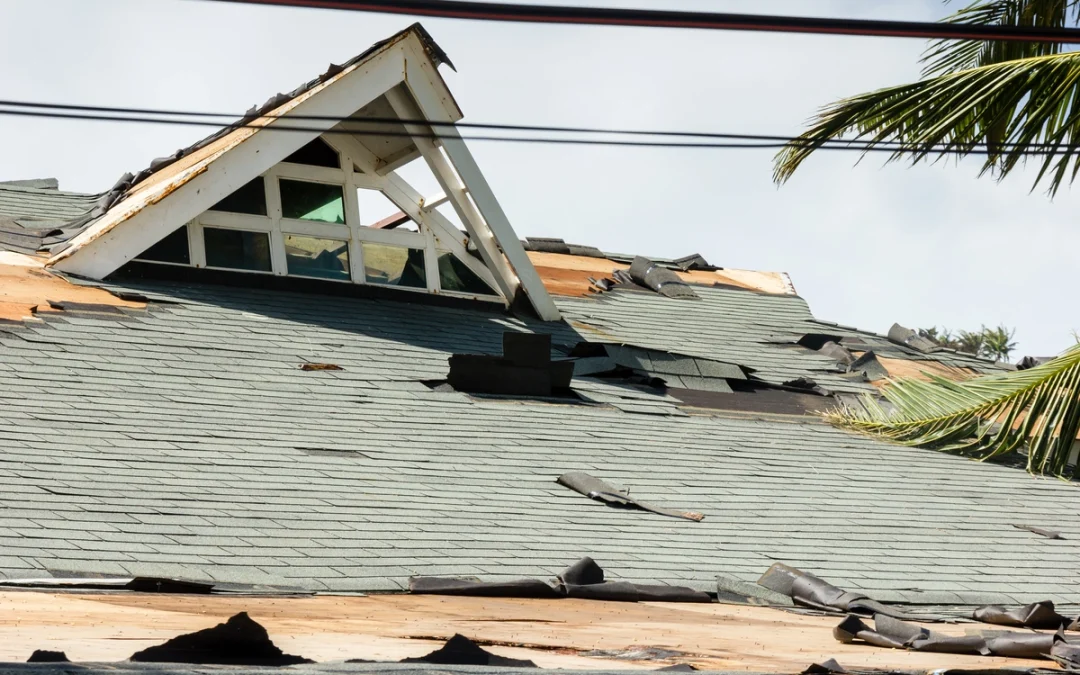
Roofing emergencies can happen at any time and require immediate attention to prevent further damage. Here’s what you need to know about emergency roofing services and how to handle a roofing crisis.
1. Identify the Emergency
The first step in dealing with a roofing emergency is to identify the problem. Common roofing emergencies include severe leaks, storm damage, fallen trees, and structural failures. Assess the situation to determine the extent of the damage.
2. Ensure Safety First
Safety should be your top priority during a roofing emergency. If the damage poses an immediate threat to your safety or the safety of others, evacuate the area and contact emergency services if necessary. Avoid attempting any repairs yourself, especially during severe weather conditions.
3. Contact a Professional Roofing Contractor
As soon as it’s safe, contact a professional roofing contractor who offers emergency services. Provide them with detailed information about the damage and any immediate concerns. A reliable contractor will respond quickly to assess the situation and provide temporary solutions to prevent further damage.
4. Temporary Repairs and Tarping
In many cases, temporary repairs or tarping may be necessary to protect your home from additional damage until permanent repairs can be made. Professional roofers can apply emergency tarps or make quick fixes to stabilize the situation.
5. Document the Damage
Documenting the damage is essential for insurance purposes. Take clear photos and videos of the affected areas, both inside and outside your home. This documentation will be valuable when filing an insurance claim.
6. Work with Your Insurance Company
Contact your insurance company as soon as possible to report the damage and begin the claims process. Provide them with the documentation you’ve collected and work closely with your roofing contractor to ensure all necessary repairs are covered.
Conclusion
In the event of a roofing emergency, it’s crucial to identify the problem, ensure safety, contact a professional roofing contractor, apply temporary repairs, document the damage, and work with your insurance company. Handling roofing emergencies promptly and efficiently can minimize damage and expedite the repair process.